Infrared heating foils are becoming a popular solution for modern homes, renovations and energy-efficient projects across Europe. They offer thin installation, fast response times and pleasant radiant heat, but like any electrical heating system, they must comply with strict safety and quality requirements.
For customers in Switzerland and France, questions often arise about CE certification, European standards and what is really important when choosing a safe and reliable floor heating system. This article explains the key points in a practical, non-technical way so you can make an informed decision for your project.
What CE Certification Really Means
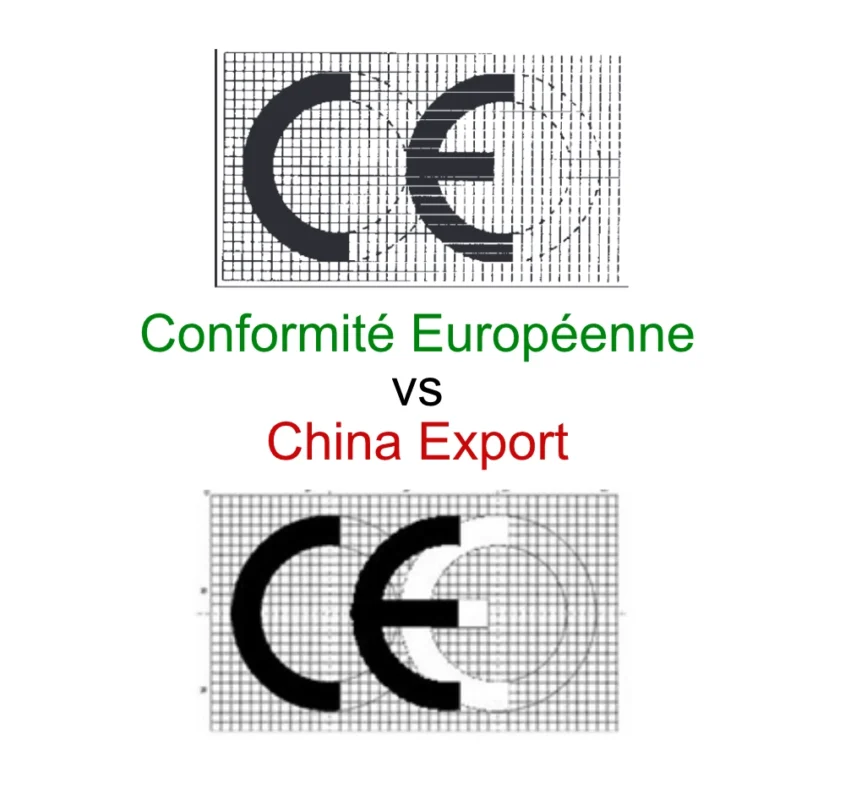
The CE mark is often misunderstood as a “quality label”, but in reality it confirms that a product meets the relevant European directives for safety, health and environmental protection. For electric heating foils, this includes for example low-voltage safety, electromagnetic compatibility and protection against electric shock.
Serious manufacturers do not certify only the foil itself, but the complete system: heating foil, connection cables, control units, accessories and defined installation method. This system approach is important, because the safety of the final installation depends on how all components work together in real conditions, not only in the laboratory.
Key Safety Elements in Floor Heating
When evaluating an infrared foil system, several technical details have a direct impact on safety and long-term reliability.
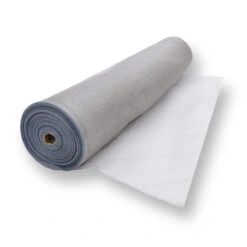
Protective earthing mesh: A metallic earthing layer or mesh under or above the heating foil helps to quickly discharge any fault current and reduce the electric component of the electromagnetic field. This increases protection in case of insulation damage and provides extra comfort for sensitive users.
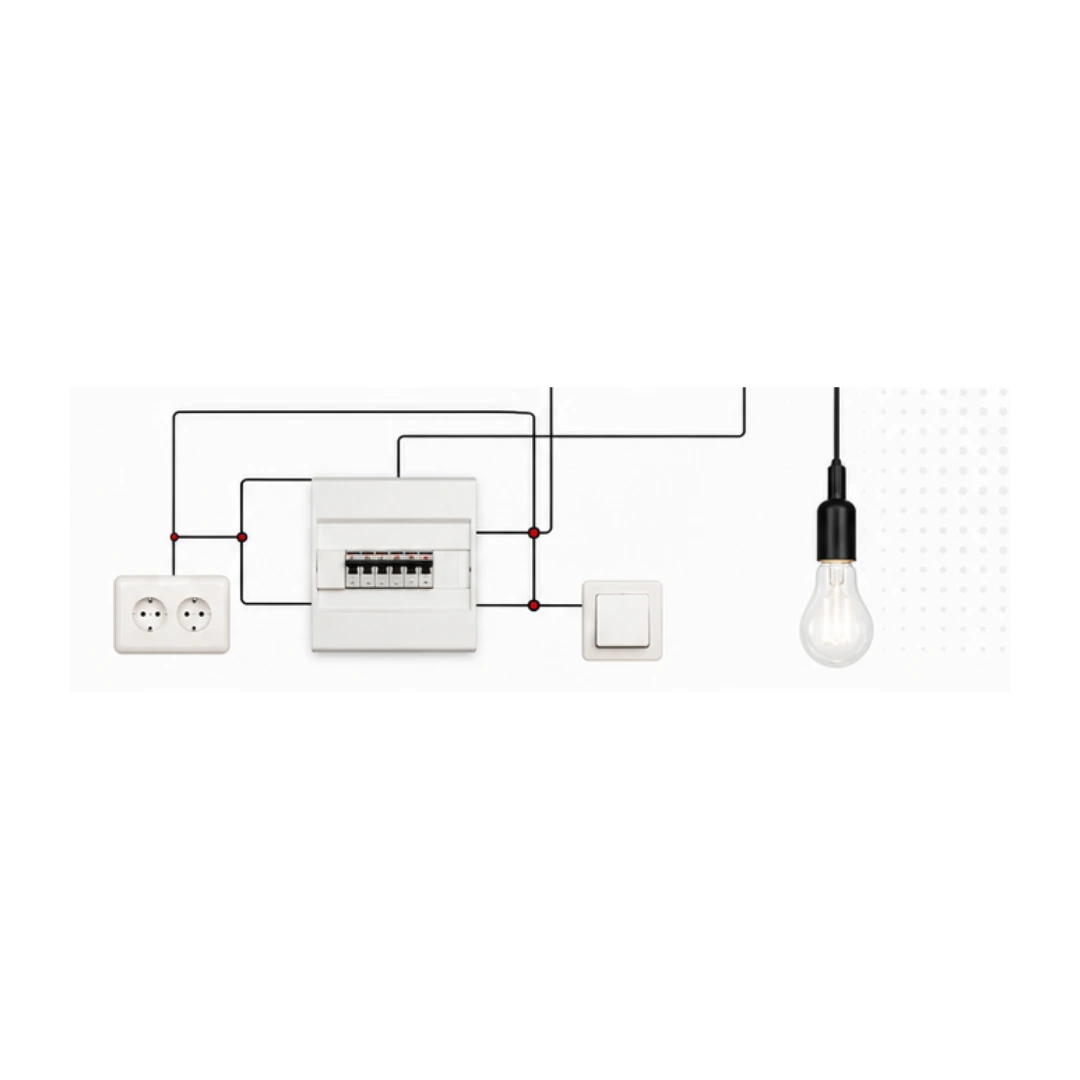
Residual current device (RCD): An RCD with a suitable tripping current is today considered standard protection for electric floor heating systems in Europe. It disconnects the circuit in milliseconds when it detects leakage current, significantly reducing the risk of electric shock or fire.
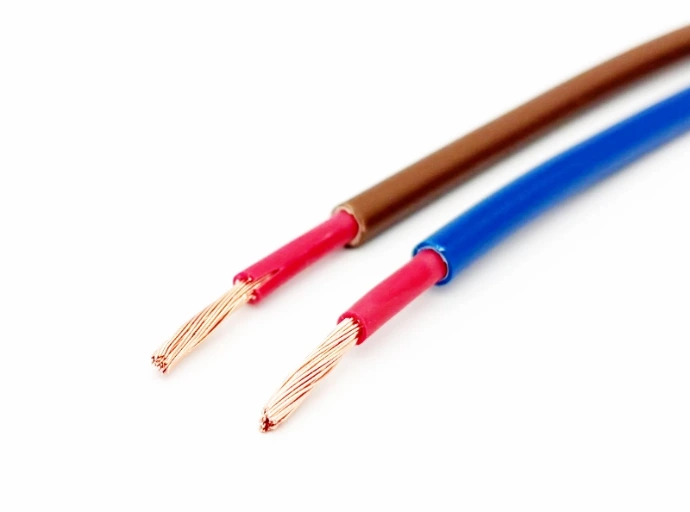
Double-insulated conductors: Power and connection cables with double insulation provide an additional safety layer, because even if one insulation layer is damaged, the second still protects against direct contact. This is particularly important in hidden installations under flooring, which are expected to operate safely for many years without visual inspection.
These elements correspond to the requirements of European standards for electric heating systems, such as the family of norms that deal with fixed electric heating in floors and protection against electric shock.
Why Independent Testing Matters
Beyond the CE declaration, trustworthy systems undergo testing in accredited laboratories or certification bodies. During these tests, specialists verify parameters such as electrical safety, thermal behaviour, electromagnetic emissions and compatibility with other household appliances.
Independent testing gives you confidence that the system was not only designed safely on paper, but also verified in real-life scenarios and long-term operating cycles. For installers and project planners, this documentation is valuable proof that the selected solution respects European practice and can be integrated into professional projects in Switzerland, France and neighbouring countries.
Risks of Non-Certified or Improper Systems
At first sight, cheap heating foils without clear documentation or certifications can look attractive, especially for DIY projects. However, the real cost may appear later in the form of overheating, failures or even fire risk if the installation does not meet safety standards.
Insurance aspects are also important: in case of a claim, an insurer can investigate whether certified components were used and whether the installation followed relevant norms and manufacturer instructions. Use of non-compliant products or incorrect installation can lead to reduced or refused insurance compensation, even if the initial saving on material seemed significant.
What to Check Before You Buy
For customers and professionals in Switzerland and France, the following checklist is a practical way to compare different infrared heating foil systems.
| Aspect | What to look for |
|---|---|
| CE documentation | Clear CE declaration for the complete system, not only for the raw material. |
| Test reports / certificates | Reports from accredited European labs or certification bodies. |
| Safety components | Earthing mesh, RCD recommendation, double-insulated conductors. |
| Installation manual | Detailed instructions for subfloor, layering, connections and controls. |
If any of these points are missing or unclear, it is better to ask additional questions before committing to a purchase. A transparent supplier will be able to provide documentation and explain how the system fits into local electrical standards and building practices.
Choosing a Reliable Partner
In practice, a safe and efficient infrared heating system is always a combination of certified products and professional design and installation. For projects in Switzerland and France, cooperation with a partner who understands European norms and local expectations is essential.
When selecting a supplier, pay attention not only to price per square metre, but also to technical support, warranty conditions and availability of spare parts and accessories. Investing in a well-documented, certified infrared foil system will help protect your property, your comfort and your insurance cover for many years to come.